Celebrating the Valiant Veterans

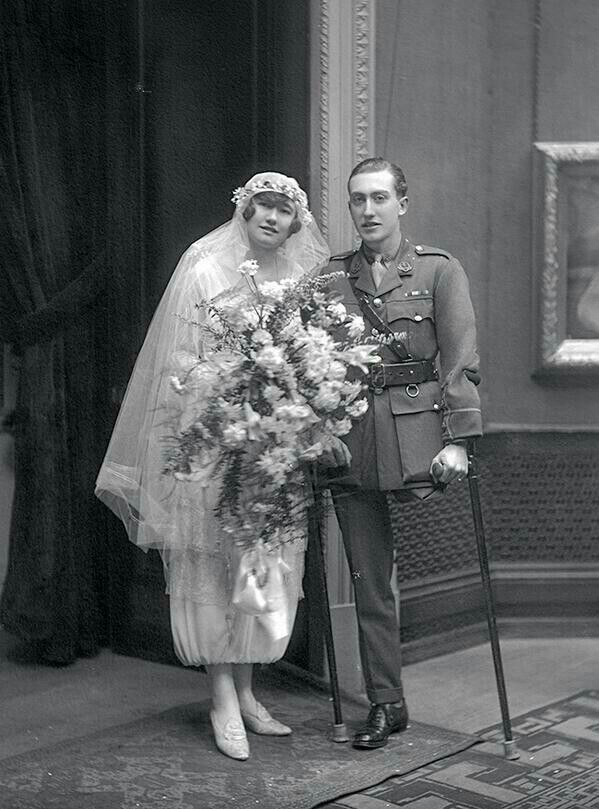
Philly 11-11-1918

Tomorrow is the day we celebrate the people that have sworn an oath to protect our country. The day dedicated to the men and women is Veterans Day. Similar to the other national holiday, Memorial Day, that honors Veterans as well, Veterans Day is to the day dedicated to them to celebrate their bravery and sacrifice. Memorial Day is the day to remember those that have fallen and Veterans Day is the day dedicated to celebrating them.

crew1

Formerly known as Armistice Day, it was originally dedicated as a U.S. legal holiday to honor the end of World War I, which officially was November 11, 1918. Legislation passed in 1938 which declared November 11th as the day “dedicated to the cause of world peace and to be hereafter celebrated and known as ‘Armistice Day.”  It was in 1954 that Congress, with the urging of Veterans Service Organizations, took out the word Armistice and replaced it with Veterans. This made November 11th the day to honor American veterans of all wars.

102597befc6bff9bc476017161338892 c9d4ff3f744c523507a210df7b100573

So what’s the difference between Memorial Day and Veterans Day? Memorial Day honors servicemembers who died in service to their country or as a result of injuries incurred during battle. Deceased veterans are also remembered on Veterans Day but the day is set aside to thank and honor living veterans who served honorably in the military, in wartime or peacetime.

14575aef92f829e5c2f136ee9f41e7b0 a9bb5160fe293d430a762c853320a394

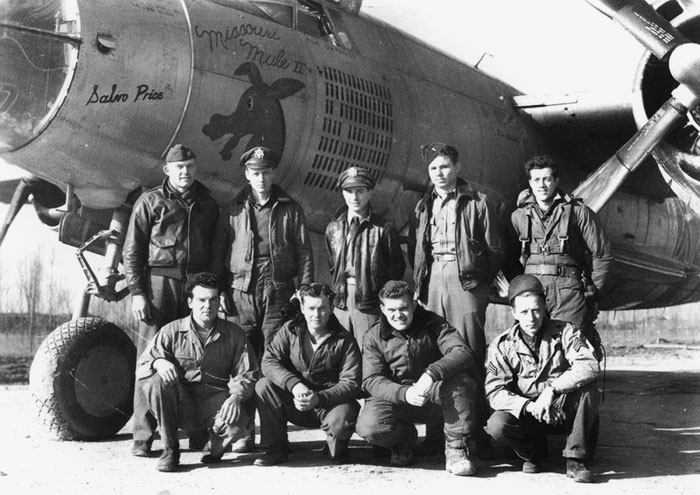
As the daughter, sister, niece, granddaughter, great-granddaughter and friend of many veterans, I’ve grown up in a Veteran world. I’ve been aware of what it takes for those that swear an oath to our country. I’ve heard stories and I’m sure there are many I haven’t heard as it wasn’t always expected for soldiers to speak about their experience on the front-line. So I take my hat off and salute the brave men and women Veterans on their day.

women_b17_pilots MissouriMule1 ed8bebfed4a17c6ae2b90cb8b6570abb

Preserving History: Tour of the Tennessee State Prison

IMG_5484

When you hear the word prison, your mind doesn’t necessarily imagine exquisite architecture. Prisons are places that automatically come with a dark or negative impression.

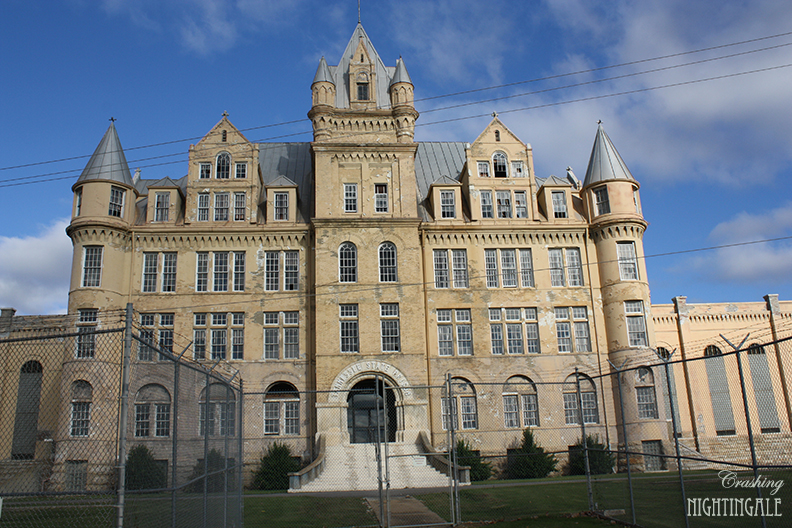
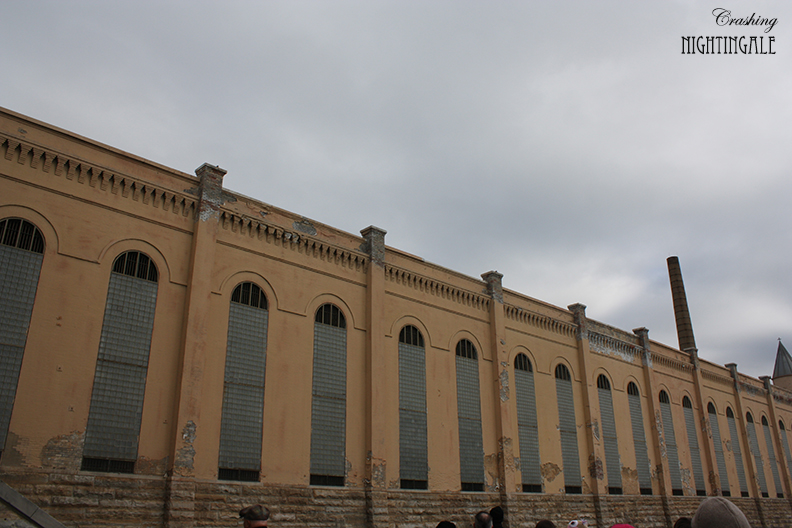
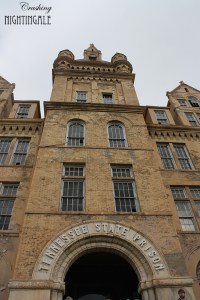
The Tennessee State Prison is a place that served it’s purpose in time for what it was designed for and also is a prime example of exquisite architecture. Built in 1898, the Tennessee State Prison (TSP) is an ambassador to 1890s architecture.

Recently, Historic Nashville, Inc. members had the distinguished honor to an exclusive tour of the beautiful prison. The tour was led by Tennessee Department of Corrections staff Torrey Grimes and Theresa Thomas. The prison is not open to the public and sits unoccupied and fighting the elements of decay.
IMG_5487

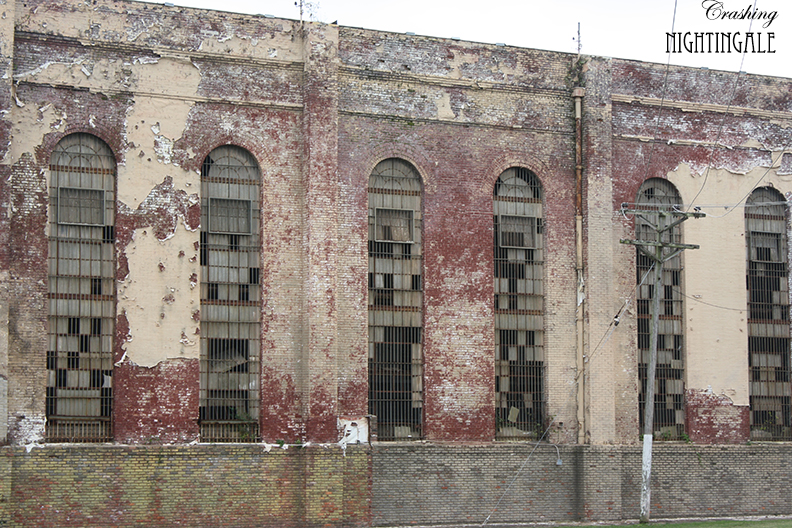
The prison opened in 1898 and operated until 1992. When it was built the prison was only supposed to house 800 prisoners. Upon the prison’s first arrivals when it opened, the prison had up to 1400. Almost double what it was suppose to hold. Before the newness of the prison could wear off, an escape from some of the inmates happened within the first couple of months. Prisoners took  TNT dynamite that was kept at the prison and blew a hole in the side of the prison.

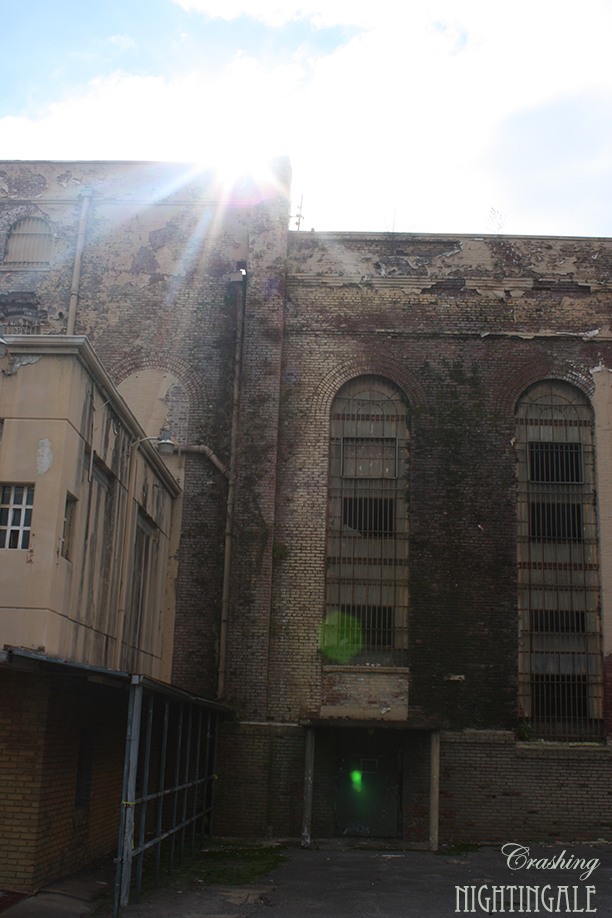
IMG_5505 Side of the prison that was blown out from TNT.

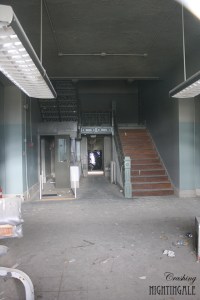
Historic Nashville, Inc. members walked around the exterior of the building to see what remains of the historic prison today. Members were given pieces of historical information along each step of the way.
IMG_5489 IMG_5491 IMG_5501

When the prison closed in 1992, it was given up for free to the film community. Films such as The Green Mile, The Last Castle and Ernest Goes  to Jail were filmed on prison’s property. If you’ve watched The Green Mile, you may recall the little rat that was a companion to one of the inmates. We were told that the rat was not a current tenant of the prison but rather a trained one the film crew brought.

While walking around the exterior, the peeling of paint is all around. This is a result of a production company that painted the exterior for a film. The paint still shows today. The paint was not removed after filming and unfortunately it was not discovered until years later that “cheap” paint was used. This resulted in moisture getting trapped behind the paint and thus harming the bricks.
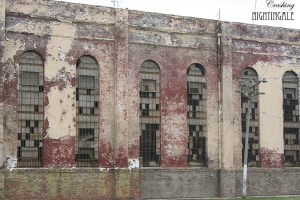
IMG_5512

The tour took us to the back side of the prison where the yard was and remains. The only interior portion of the prison members were able to go into were the cell blocks and the mess hall. My husband and I opted to view the inside of the cells first.

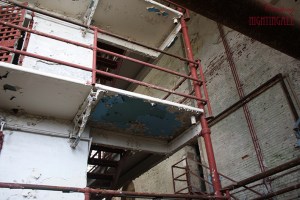
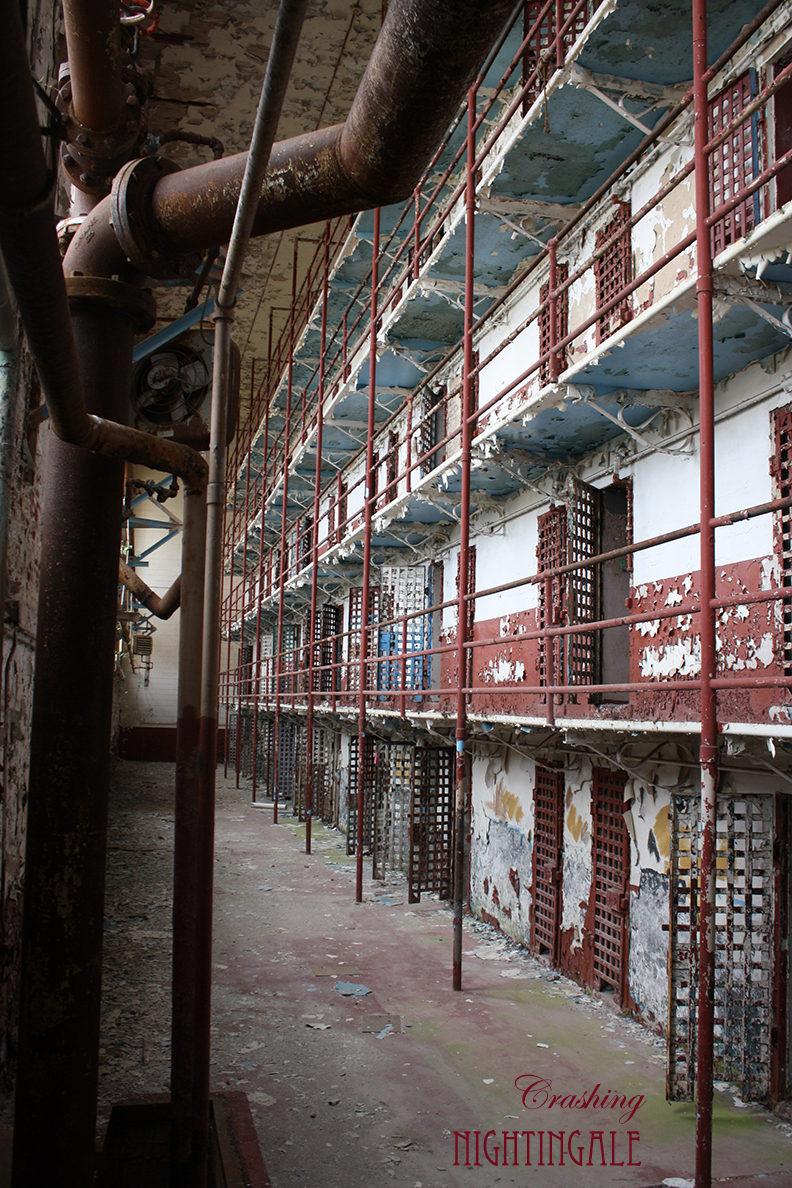
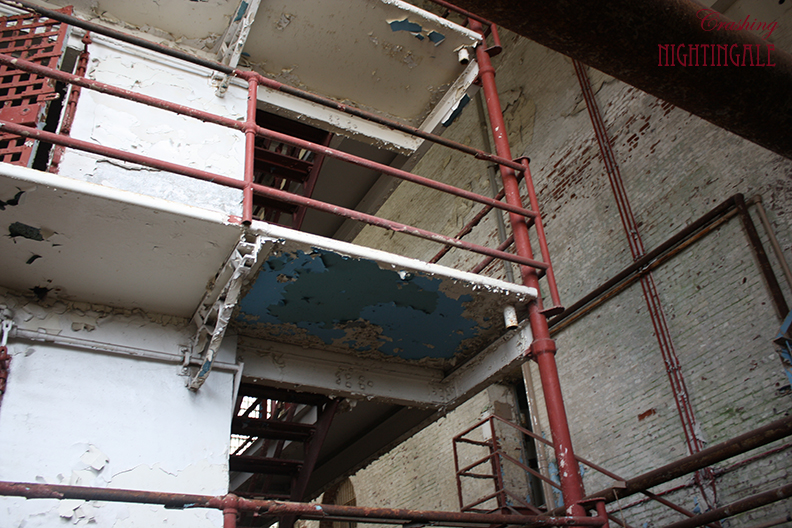
Standing in the entrance of the exterior exit of the cells was quite an experience. The cells climbed up three stories and each cell held two prisoners. The tour guides explained that even though the prison was built to house approximately 800 inmates, the population was over that. At one time, the prison had approximately 3,300 to 4,000 inmates. We were told to imagine how loud it would have been within the walls.

IMG_5522 IMG_5523 IMG_5524

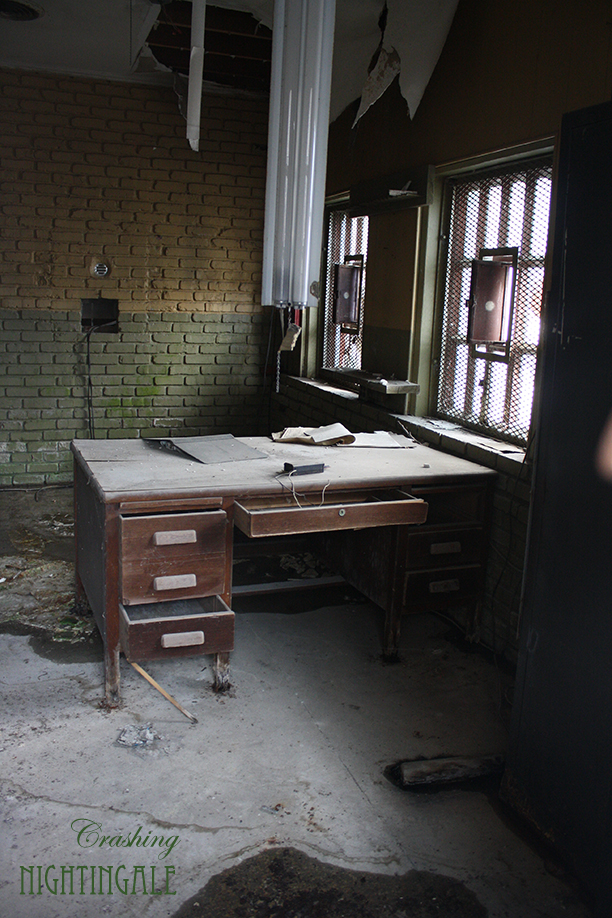
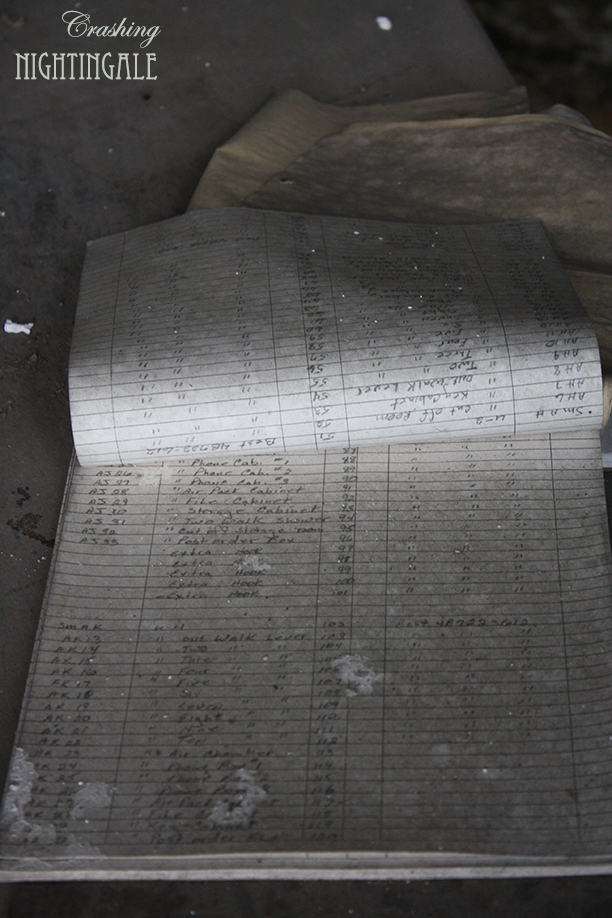
Before we wandered into the mess hall, we peeked into other parts of the building. Below are a few pictures of what remained in an interior room. As you can see, a lonely ledger sits waiting on it’s owner to complete the tasks for the day.

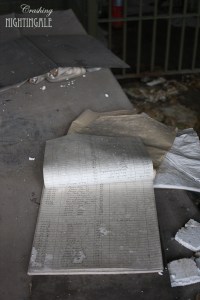
IMG_5528 IMG_5531 IMG_5532

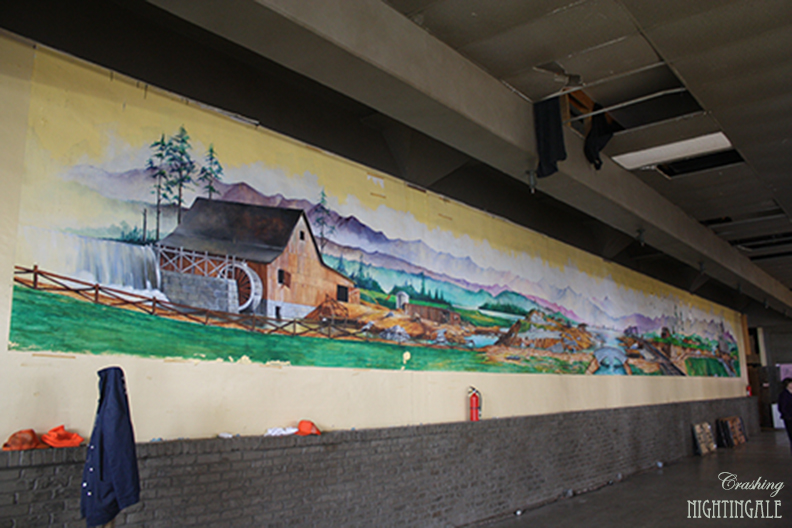
As we entered into the mess hall, the staff members continued giving us lots of history about the prison. Such as the mural that still  remains  proudly in the mess hall. It was painted by prisoners during their own time since the prison was a working farm and all prisoners had a job. They were supposed to defray the cost of their incarceration.

IMG_5545

IMG_5559 A jacket waiting on it’s owner to come back to claim it.

When the prison closed in 1992, there was a lot more entrance into the interior of the prison. However, asbestos has staked it’s claim and has caused it to be unsafe for anyone to enter without proper gear. Historic Nashville, Inc. members were very lucky to take the tour as this is normally reserved for senators and governors.

IMG_5580 IMG_5540

The Tennessee State Prison’s future is currently unknown. Many ideas have been brought to the table but I believe we all can agree on one thing: to preserve it’s rich history. Just like Alcatraz in San Francisco, Calif., the Tennessee State Prison deserves to age with dignity and be on display for people to admire. If you’d like to learn more and perhaps learn how we can move into the direction of preserving this late 19th century landmark, go to the Tennessee State Prison Historical Society or the Save The Tennessee State Prison Facebook page. Grand landmarks like these deserve to thrive in preservation history.

For more information about becoming a Historic Nashville, Inc. member, please visit their membership page.


Martian Mania

family-listening-to-the-radio

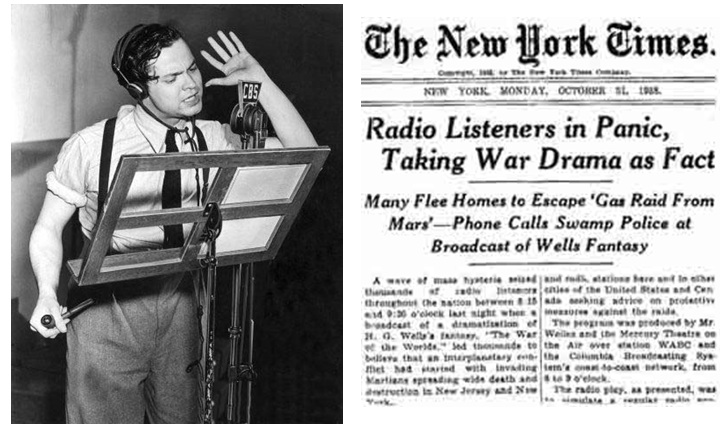
The power of persuasion is a mighty thing. To be able to bend opinion and make people believe what one is saying is a trait not everyone carries. One of the biggest examples of the power of persuasion would be the night the War of the Worlds broadcast. It sent terror and panic through American listeners on an October night in 1938.

Whether it was intended to be a Halloween scare or just a simple radio play adapted from H.G. Wells‘ novel of the same name, one thing is for sure, listeners believed every word of it.

il_fullxfull-343465339

When the broadcast begin it provided a disclaimer that the radio show was a drama. However, not all listeners caught this and thus was a catalyst to the mass confusion. Confusion was instigated by the fact that the radio network it was broadcast from, The Mercury Theatre on Air, aired their programs without commercials. So to listeners this felt like a live event.

Orson Welles is the man credited for causing fear to seep into American’s veins and paralyze them with panic. Welles was the narrator of the show. The focus of the show was that martians from outer space invaded earth and earth’s inhabitants fought to save the planet. The public’s reaction was sheer terror and the radio network received it’s share of backlash. Some people sued the network for the “mental anguish” or “personal injury” they claimed the broadcast caused. Although not all reactions were negative; some people praised the network for the quality of the program. There is even a monument erected in Grover’s Mill, New Jersey to commemorate the fictional martian landing site.
WOTW-headlinewar-of-the-worlds-by-orson-welles

We’re coming up on the 76th anniversary this October 30th. So just remember, the power of persuasion is a mighty thing; just a mighty as a martian’s ray-gun. 🙂


Wanted: Old West Enthusiasts

08_1951 Rough Riders of Durango-A

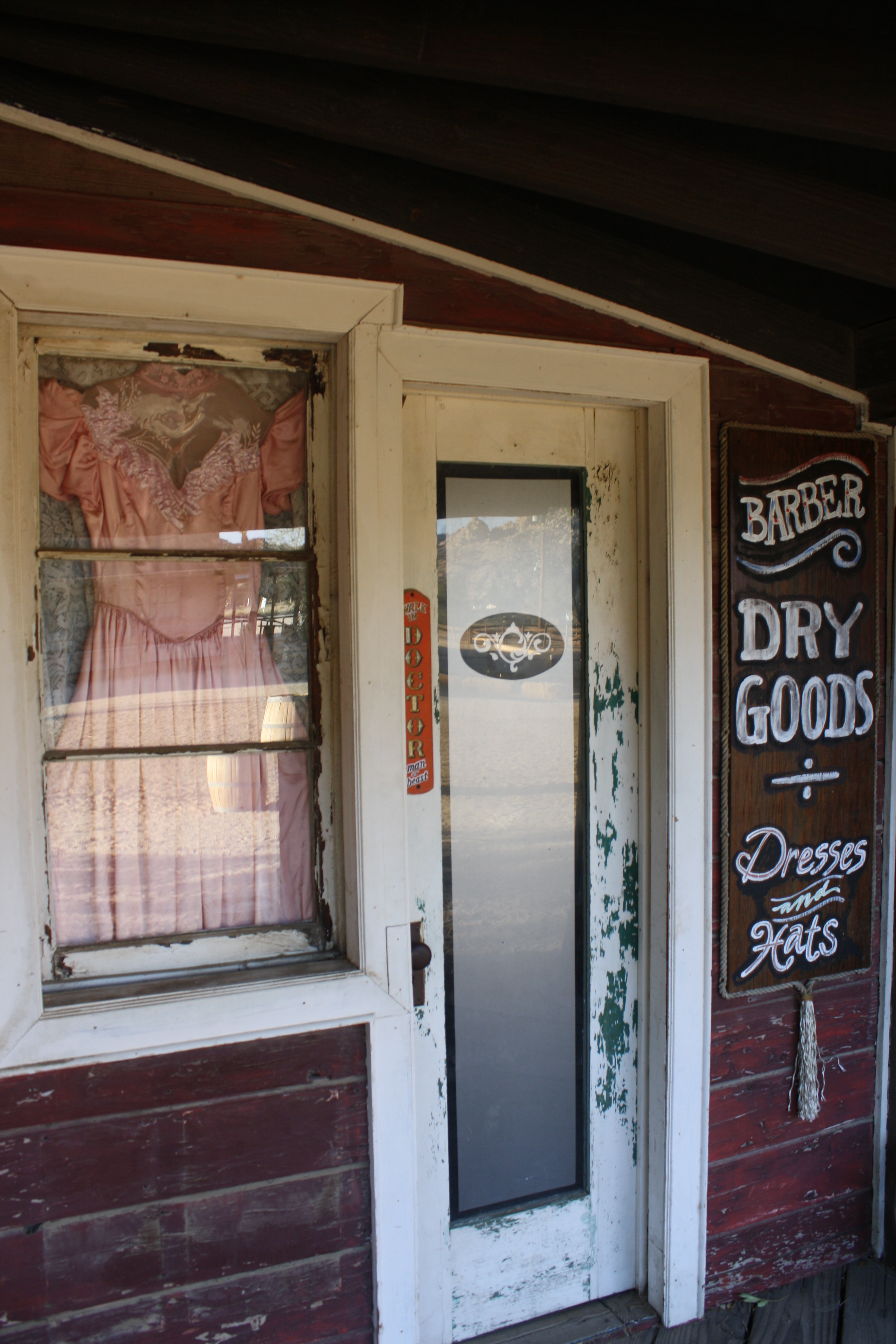
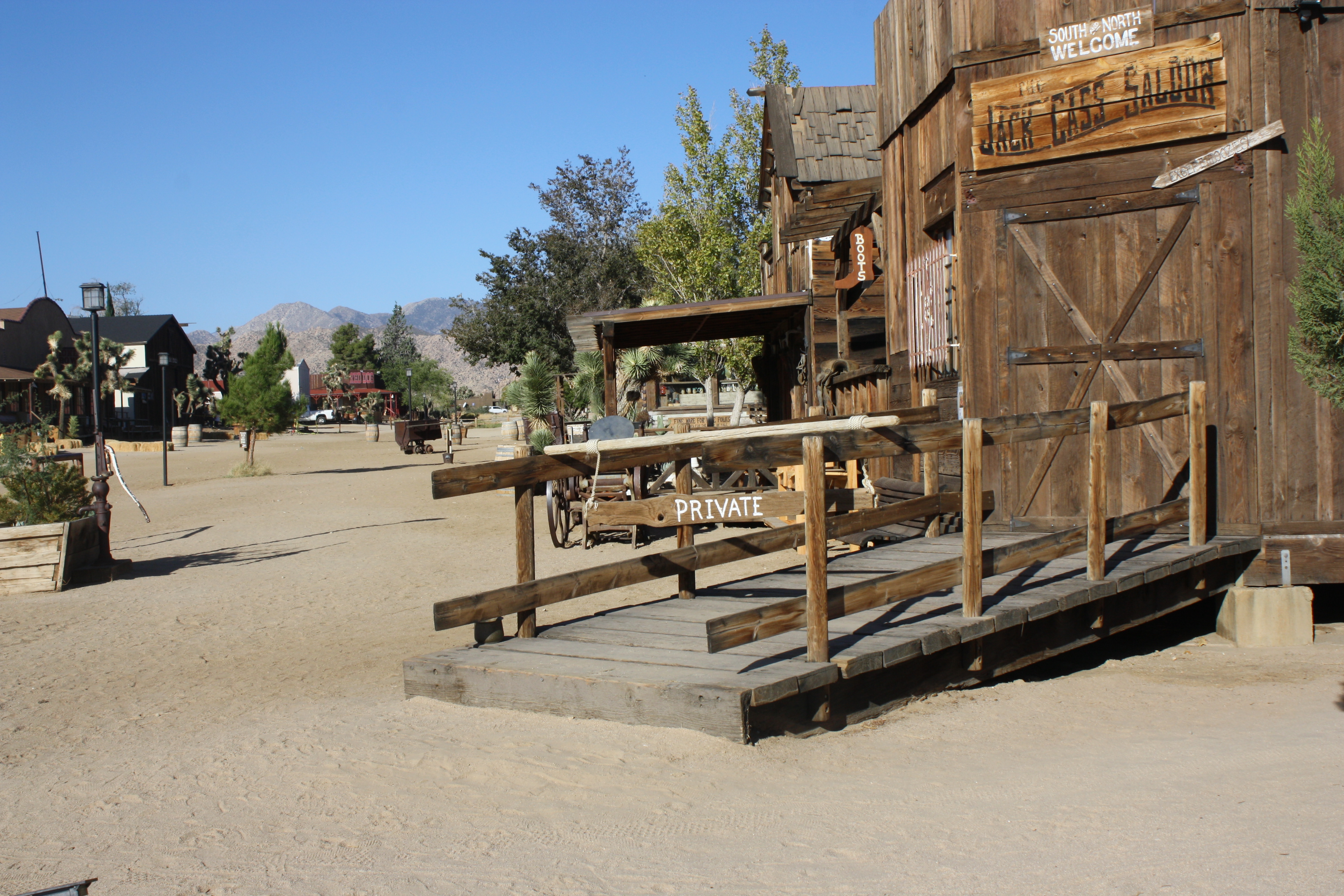
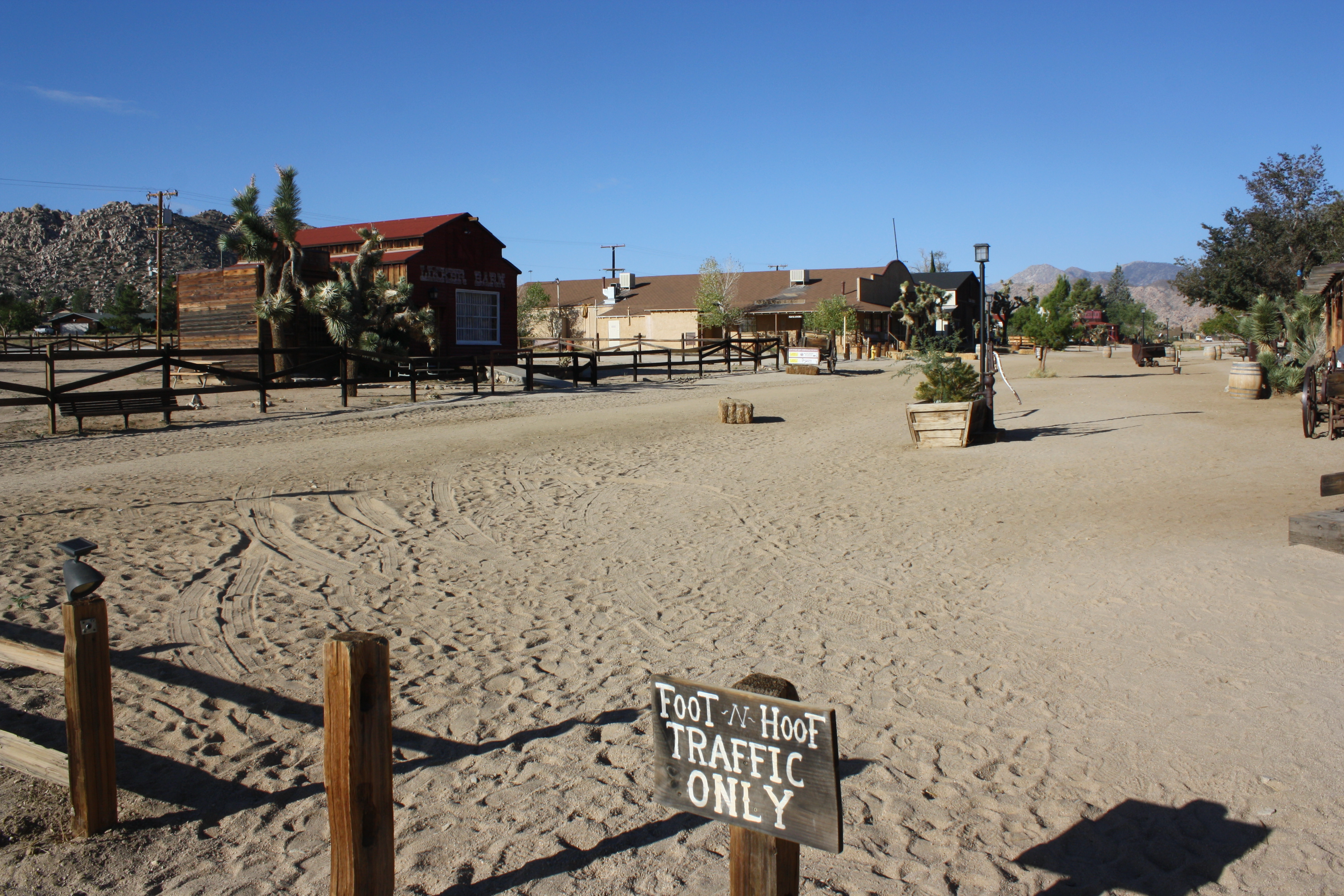
Grab your saddle and trusty horse pod’ners and get ready to discover the Old West. I’m not talking about visiting a museum either. I’m talking about the fully-operational Pioneertown in Southern California.

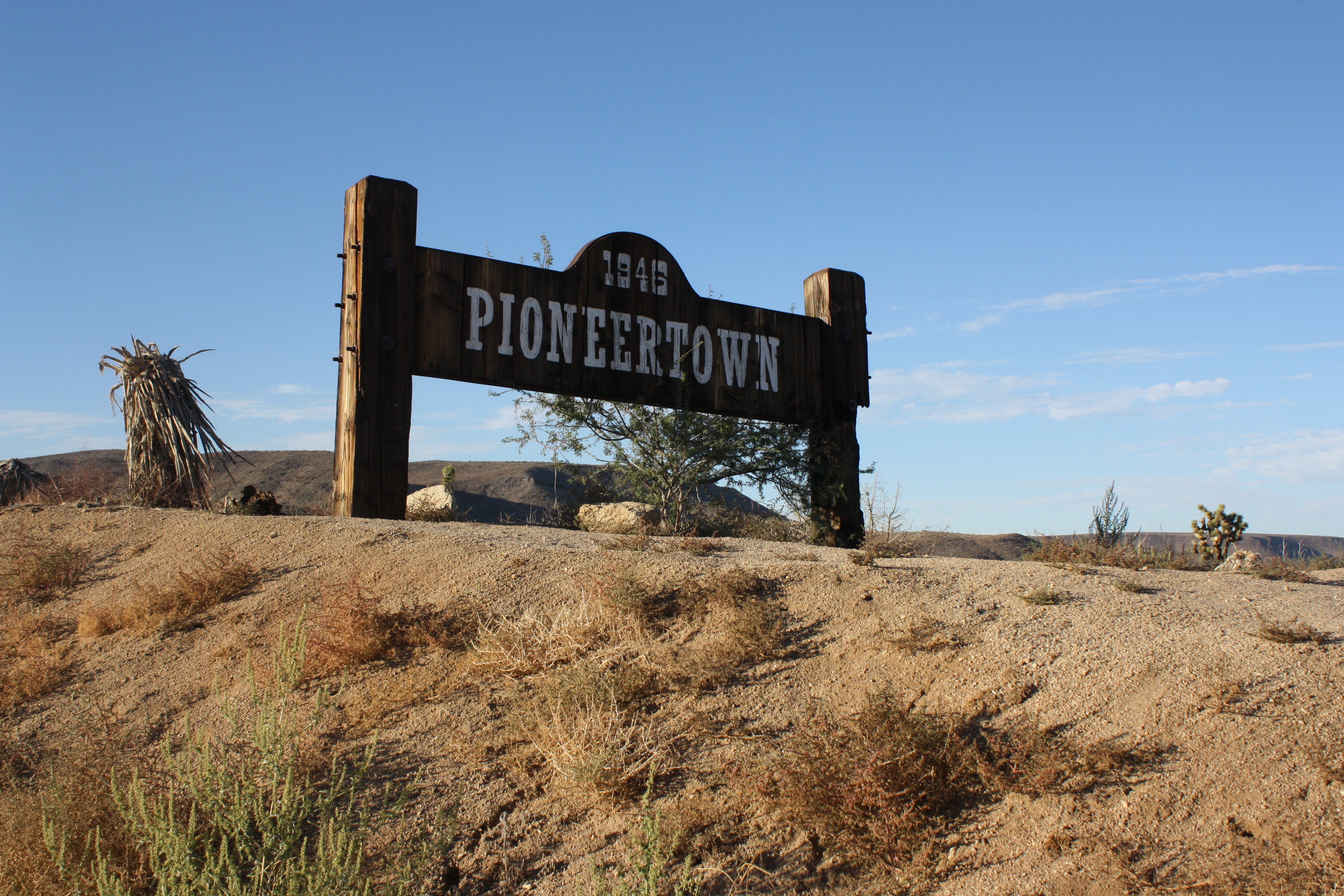
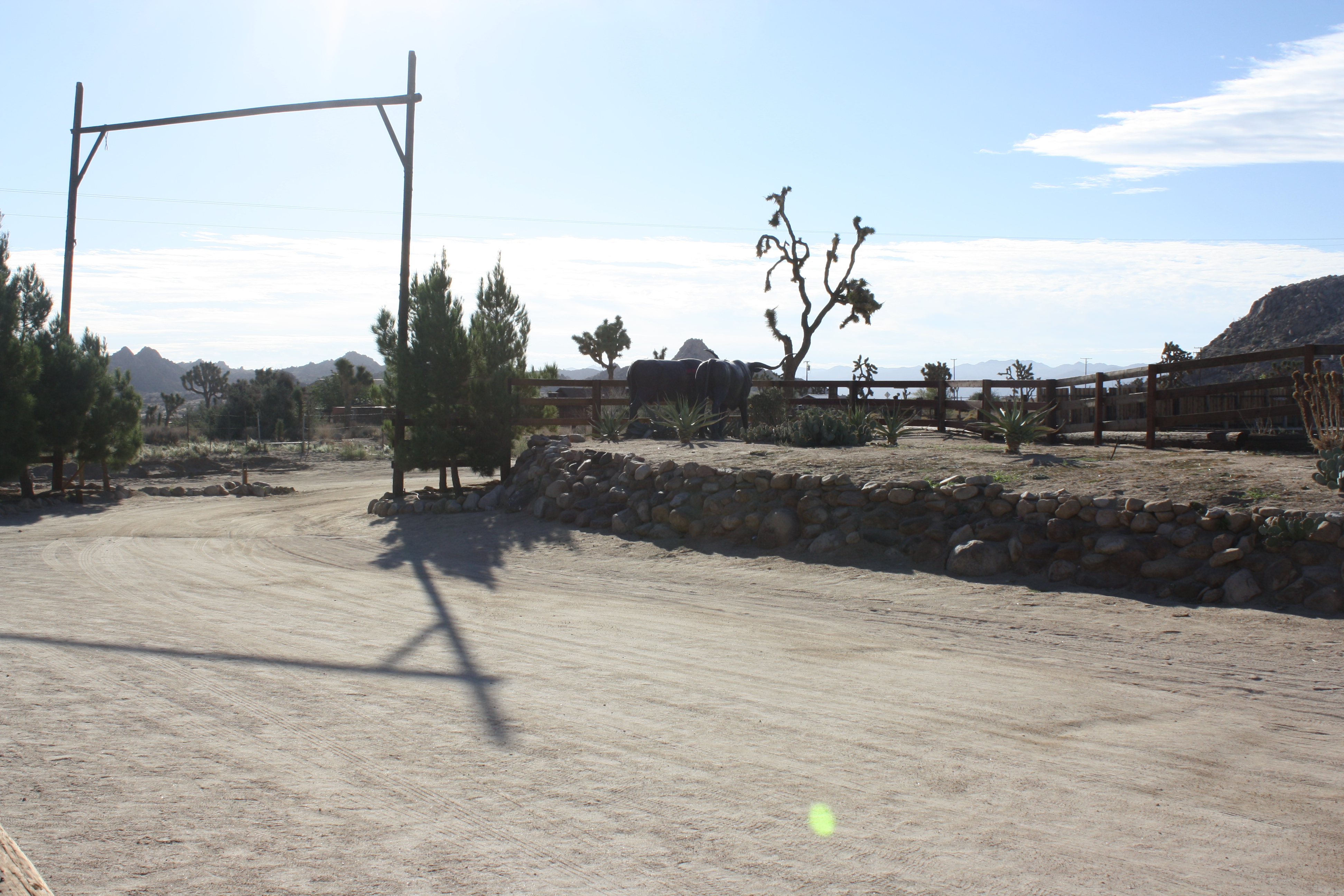
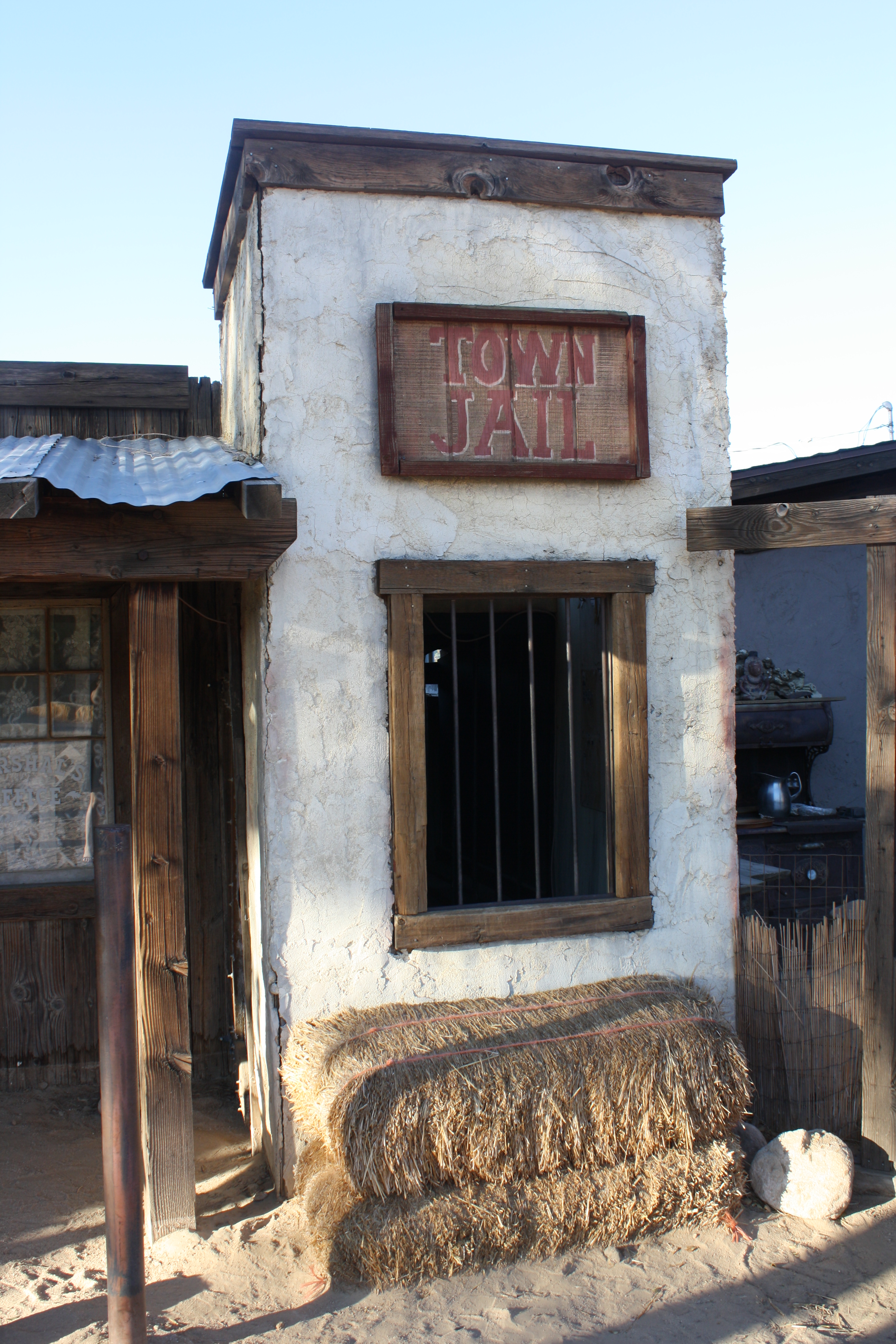
Yes, you read correctly, Pioneertown. The place where all your Western dreams come true. If you’re a fan of the Old West films and television shows, this unincorporated community village is your slice of heaven. Nestled in the high desert in the Morongo Basin region of Southern California, Pioneertown came to fruition in 1946.

IMG_5327

The town’s purpose (other than being so totally cool) started in the 1940s and it was to serve as a live-in Old  West motion picture set to the Hollywood stars. Makes sense, considering Los Angeles is only a couple of hours away and the surrounding land is perfect for a western film set. The entire set was designed to look just like an 1800s western town but with live-in capabilities to accommodate the stars while they filmed. Many films were shot here during the 1940s and 1950s. Roy Rogers and Gene Autry are among the famous that were responsible for this Old West Town. Roy Rogers was one of the original investors of Pioneertown.

As you walk down the “main street,” you completely get the feel of a western town. Complete with saloon, bathhouse, undertaker business and livery, just a name a few of the buildings. You’ll be humming the Marty Robbins tune, “El Paso” as your spurs kick up the dirt underneath your feet.

IMG_5328 IMG_5349


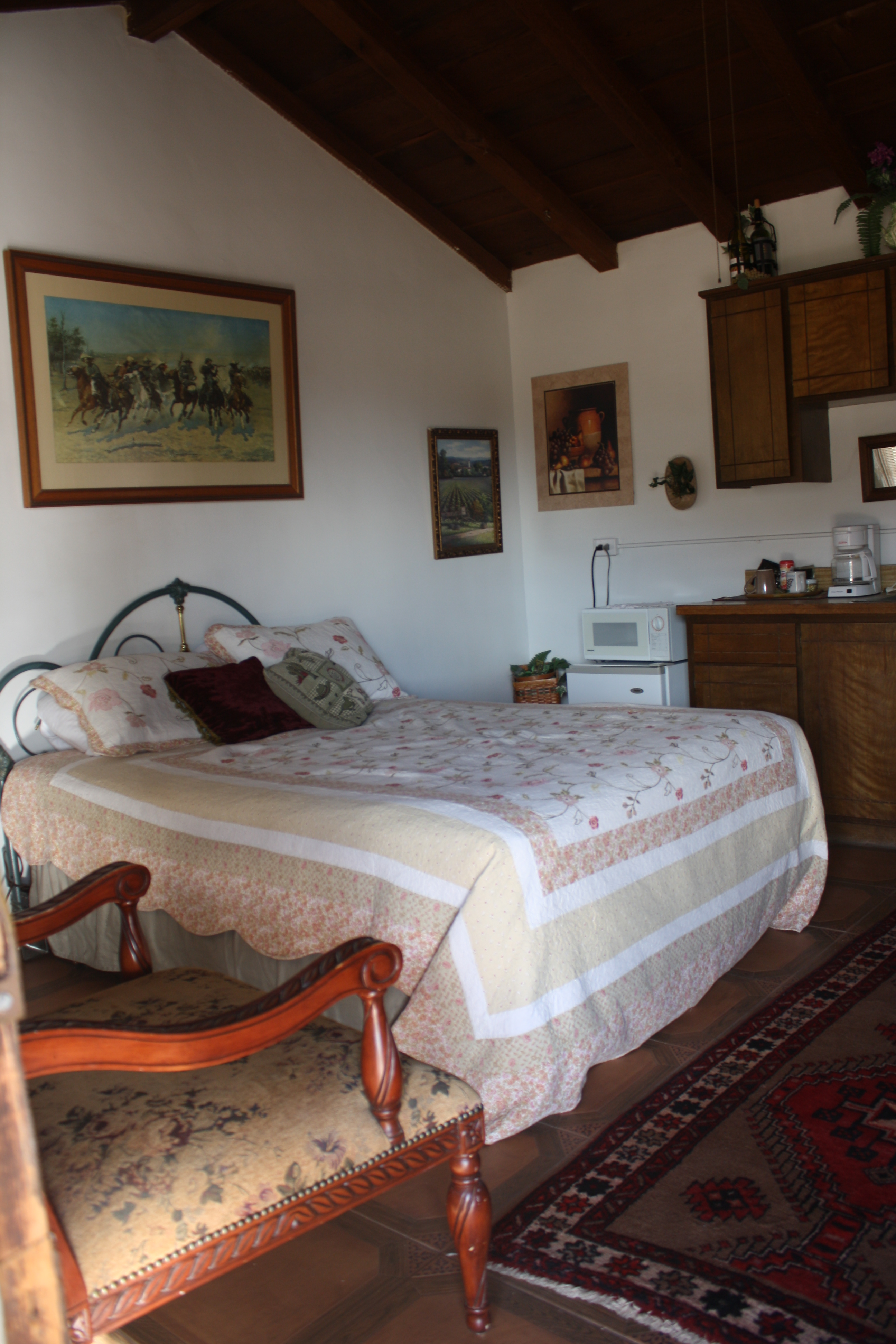
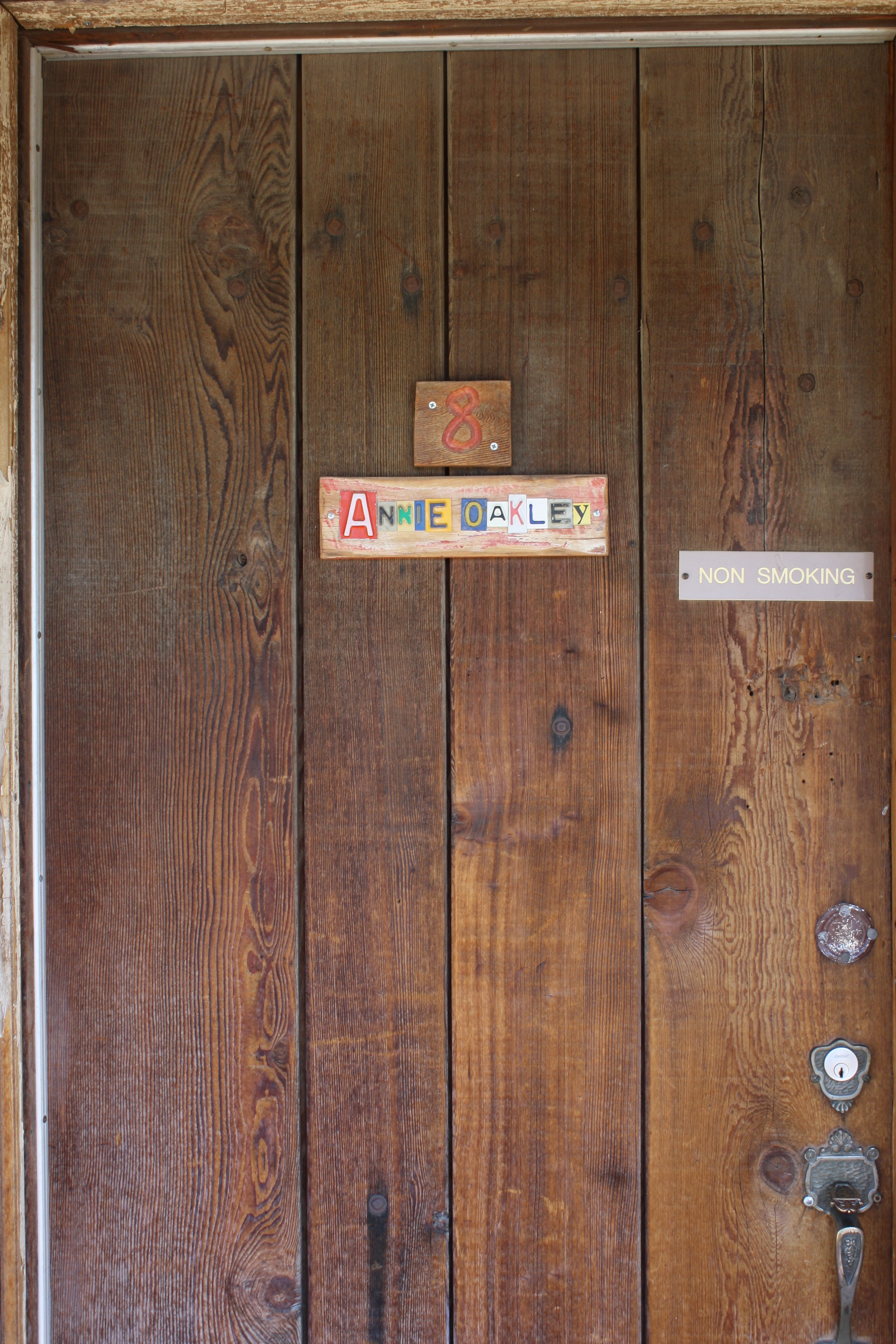
If you get the chance to visit this place, don’t feel like you’re too far off the beaten path if you need to rest your weary bones. On the property there is the Pioneertown Motel that will give you a place to rest your head. You won’t be sleeping in a tent either. This small yet charming western motel offers rooms with a bed, bathroom, kitchen sink, and microwave to travelers. However, I must heed a warning: be ready to live up to Pioneertown’s way of life. You’ve heard of no shirt, no shoes, no service. Well, be ready for no t.v., no radio, no service, as in internet service. My husband and I did have the pleasure of staying here and I must say, it was quite refreshing to unplug for a while. So if you’re okay to forgo the electronic entertainment we’re all use to, bunker down for a night’s stay in this unique place. Just make sure you bring a book or companion to keep you company. And just remember, you’ll be “sleeping” with the stars as this is where they lived and worked.

IMG_5355 IMG_5366

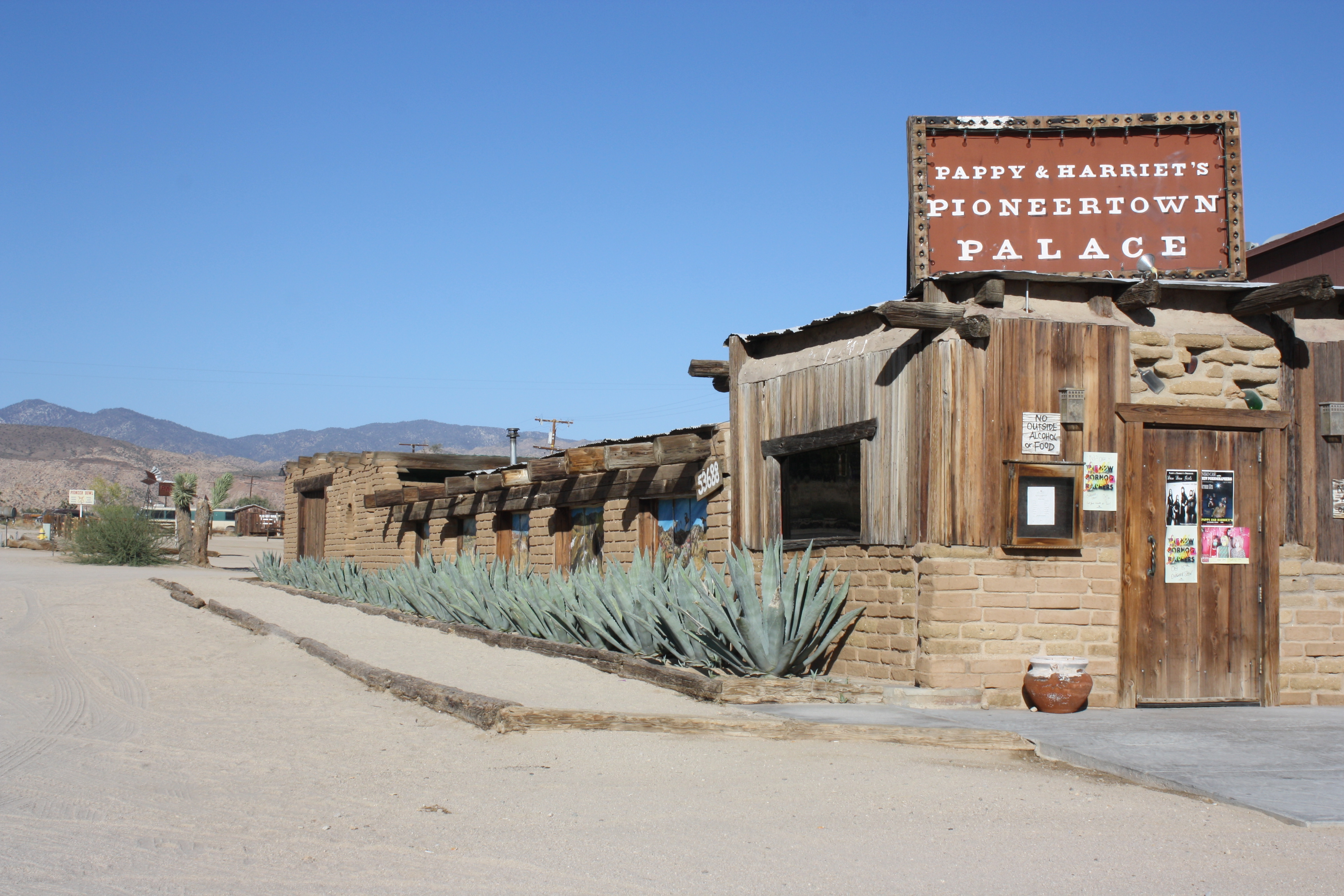
Don’t be imagining you’ll be counting tumbleweeds blowing by as your only source of entertainment. On the property is a live music venue called Pappy & Harriet’s Pioneertown Palace. And if you’re hungry, they’ve got you covered with their full menu. The venue has changed hands a few times since it’s inception in 1972. But the current owners have kept the 1982 owners’ names on the bill and have brought in musicians such as Robert Plant and Vampire Weekend.

IMG_5377


One cool fact among many about Pioneertown is the bowling alley on  the property. I mean, the famous stars had to have activities while they worked, right? Apparently, the bowling alley is one of the oldest in continuous use in California.

So if you’re passing through these parts, I highly recommend  you take a gander at this western wonder. Be sure to soak up the entertainment, stay for a spell and imagine you’ve been transported back into the historic American Western frontier.

IMG_5334 IMG_5335 IMG_5339 IMG_5348 IMG_5353 IMG_5364 IMG_5372 IMG_5373 IMG_5365

IMG_5356 IMG_5358 IMG_5360 IMG_5363 IMG_5371

Oh, the Places You’ll Go

IMG_9138_c

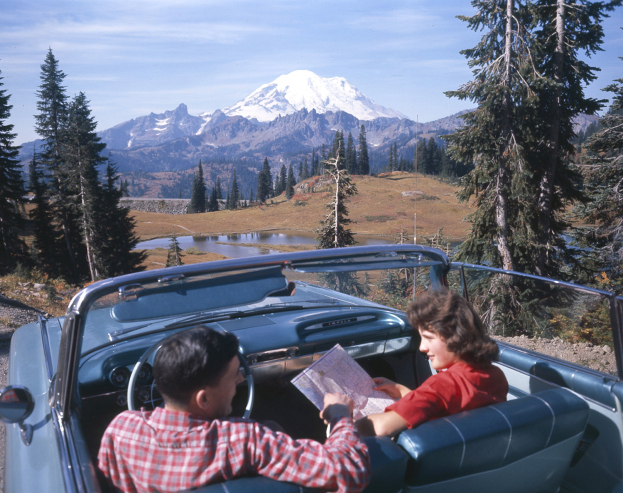
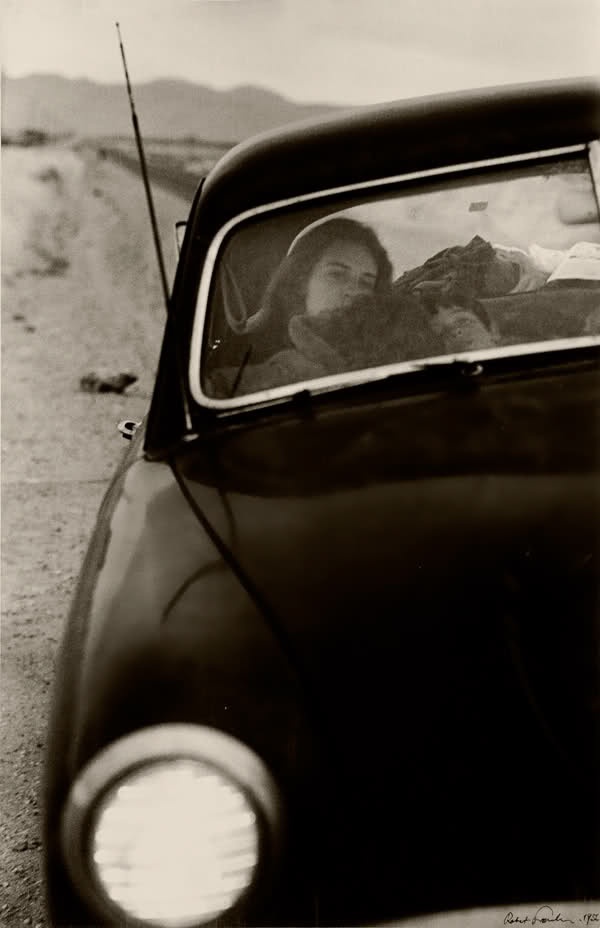
Wanderlust is defined as a strong desire to travel in the Merriam-Webster dictionary. I’d say I caught the wanderlust fever at a very young age as I’ve always had a strong desire to travel and explore the world. I can start to feel the fever when I don’t go on any adventures or travel, whether locally or not, after a brief length of time. My bones ache for it and exploring is the only cure.

The idea of giving people the opportunity to travel within the United States began in the 1930s and came to fruition in the 1950s with the Federal Aid Highway Act of 1956 enacted by President Dwight D. Eisenhower. The Federal-Aid Highway Act of 1938 proposed to the Bureau of Public Roads to begin a study of a toll-financed system of three east-to-west and three north-to-south superhighways. It was President Franklin D. Roosevelt that appointed a National Interregional Highway Committee in 1941 to evaluate the need for a national expressway system. Thank goodness they did because their study supported the need for these interregional highways and in 1944, Congress acted on the recommendations.

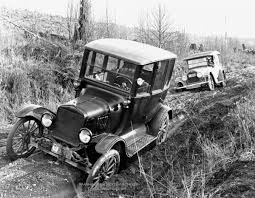
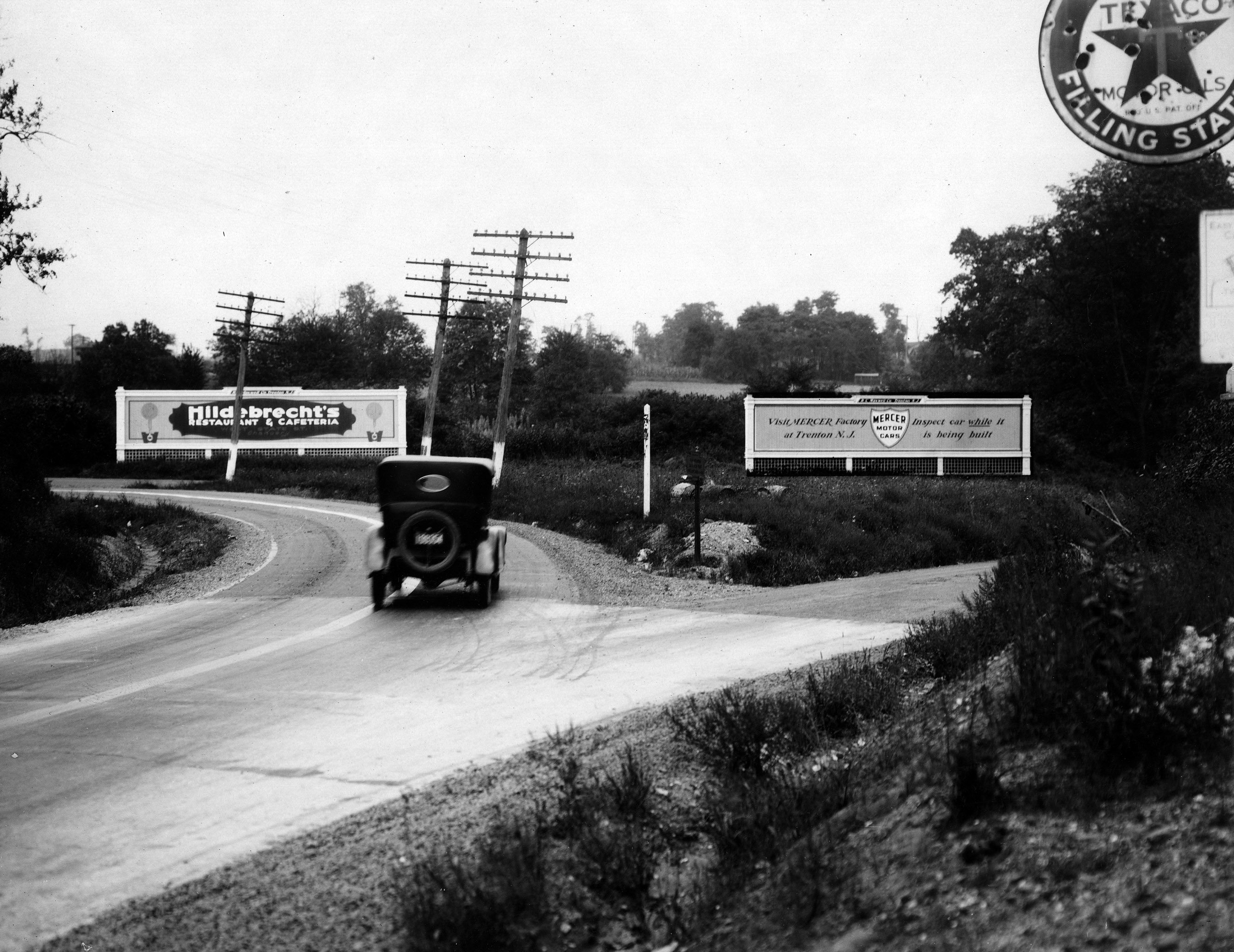
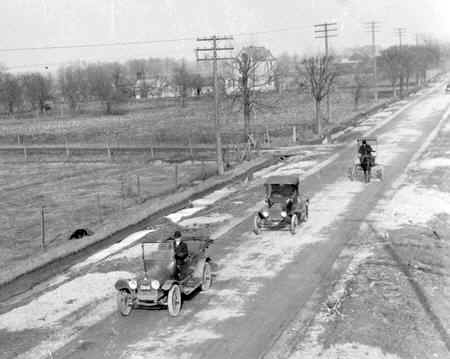
Prior to the 1930s, think about all the road trip pioneers that ventured across the United States before the idea of any superhighways. These T-model Ford adventurists threw caution to the wind and encountered many treacherous roads and bridges before any President laid a safe and permanent foundation for those with wanderlust. Motorists only had the Lincoln Highway as it was the first transcontinental highway for automobiles across the United States of America which debuted in 1913.

images  Lincoln_Highway_M0377-150dpi  Copy_of_natlrdcars (1)

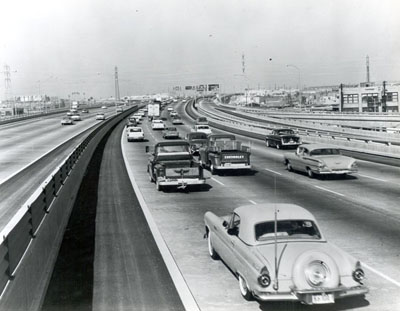
Laying the groundwork and construction was slow for the highways during the 1940s. The decisions on funding was a cause for delay. President Eisenhower enacted the Federal-Aid Highway Act of 1956 which solved the challenged funding encountered. Highway  enthusiasts could start revving their engines as this served as the catalyst for getting the highways on to the road to completion. President Eisenhower also envisioned these roads to serve the purpose for national defense as a way to transport troops quickly in the event of ground invasion of foreign enemies.

1963Interstate   highway-101-vintage

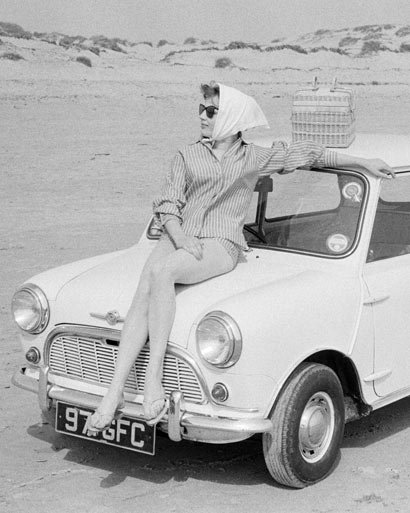
So the leaders of our country envisioned Americans going many places long before Dr. Seuss published his famous book that speaks of travelling throughout life. I have to say, I may have been one of those early 20th century road trip pioneers as travelling is something that has always stirred my spirit.

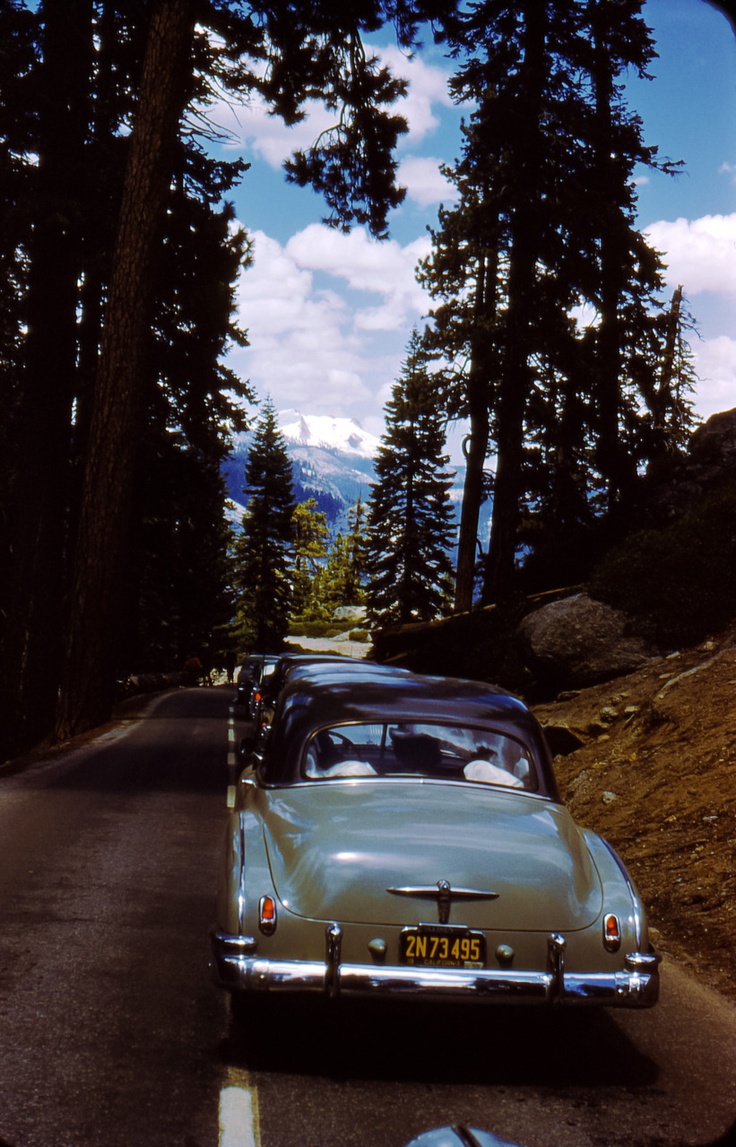
And if you’re interested in taking a nostalgic road trip, I must suggest you check out Retro Roadmap before planning your next vintage destination. Happy travelling readers! 🙂

0f0597987660c332be3237ee841736dc 001-92855697 7a70cf33a45cb211583fd8d479a496a8 7d79412512eb3877c1a4bb71fa0c2b86 9fa90a17f17823ad2e59f96ccae73dc2 110754986.jpg b639b555bf2a07d88160e62503a0614e d364f698900f4e2ad33363782f8ec178 road-trip1